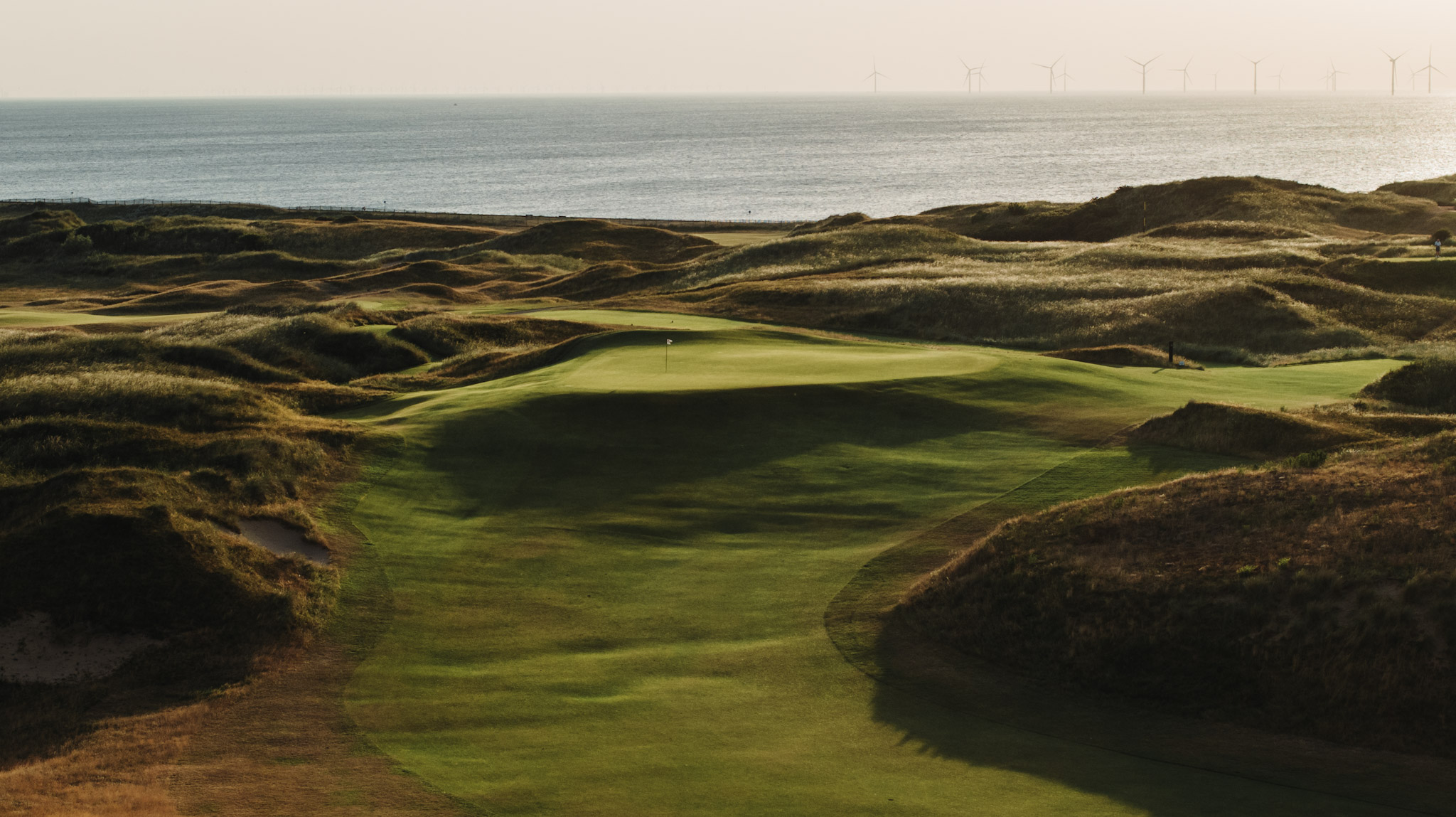
The habitat mostat risk in Europe
Tens of thousands of birds, like a shimmering cloud
The North Wirral foreshore is an internationally important site for migrating birds and on a high tide, enormous flocks of dunlin, knot and oystercatcher, numbering tens of thousands, can be seen like a shimmering cloud over the limestone islands that protect the coast. Peregrine falcon and hobby stoop to pick off the stragglers. At low tide, the birds disperse on the enormous expanse of foreshore to feed on nature’s larder before continuing their migration.
Moving within the course boundary the links contain a variety of rare conditions that provide habitat for plants and animals able to take advantage of the sandy soil, dry conditions and the seemingly, on some Saturday mornings, constant wind.
A trip to the rough will reveal a mixture of creeping willow and burnet rose, sand dune specialists both eager to grab the clubhead. Shots further into the dunes may result in a lost ball but tucked away will be evening primrose, birds foot trefoil and the descriptively named storksbill.
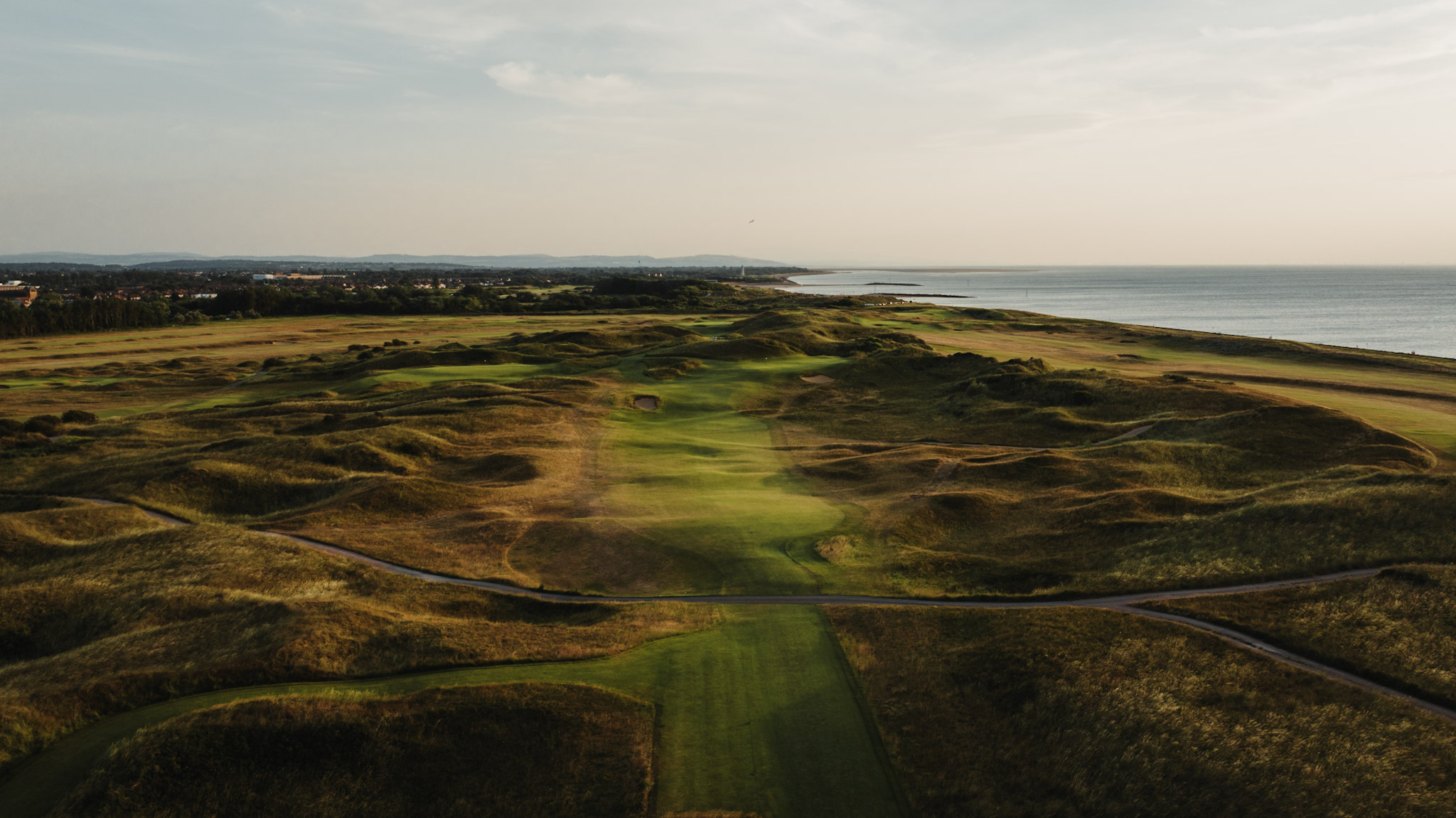
Carved out of ancient sand dunes
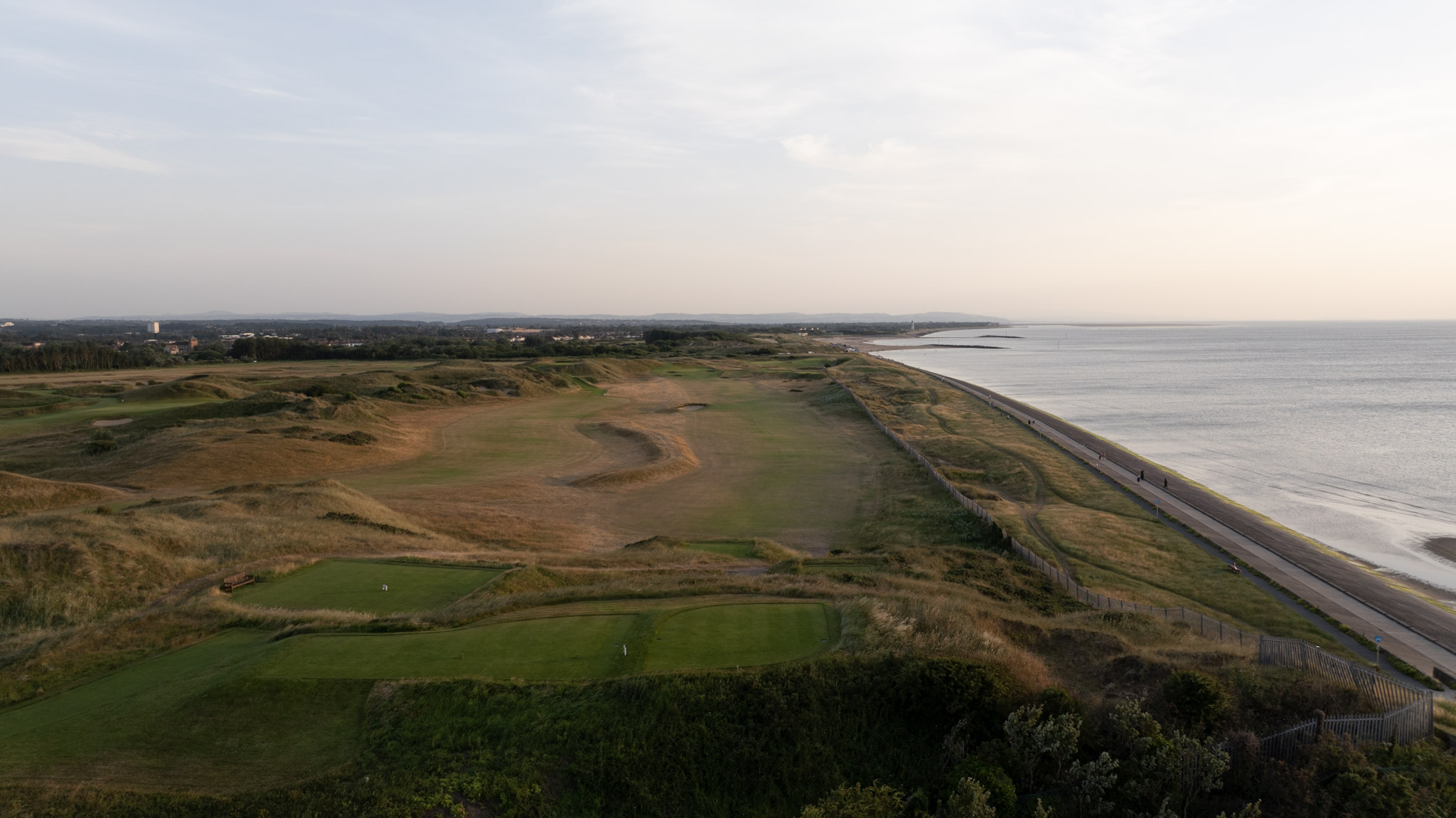
Wallasey Golf links is set on the North Wirral coast with views of the Great Orme and beyond to Snowdonia in the West, Black Combe, in the Lake District, to the North and the Liverpool skyline to the East.
It is carved out of ancient sand dunes that bordered the Wirral coast for hundreds of years but are now the habitat most at risk in Europe. Under the stewardship of Course Manager, John McLoughlin and his team, the course is sensitively managed to provide a wonderful test of golf but also a haven for the rare species that call this habitat home.
Finding the fourth fairway in spring, golfers will be joined by Wheatears from Africa picking up insects from closely mown grass, whilst all around the course the rough is sensitively managed for the ground nesting Skylark, a species in decline in many places but its joyous song brightens the mood even after a double bogey.
Smaller birds and animals provide food for the predators and the resident kestrels seen hunting over the course, particularly the 16th green, and they are joined in Spring by the spectacular short eared owls that drop in on their migration to Scandinavia.
Those with a keener eye may spot grey partridge, common lizards and the delightfully coloured cinnabar moth amongst the marram, lyme grass and fescue. A tough round is on the cards but there is plenty on the Wallasey links to make it much more than just a game of golf.
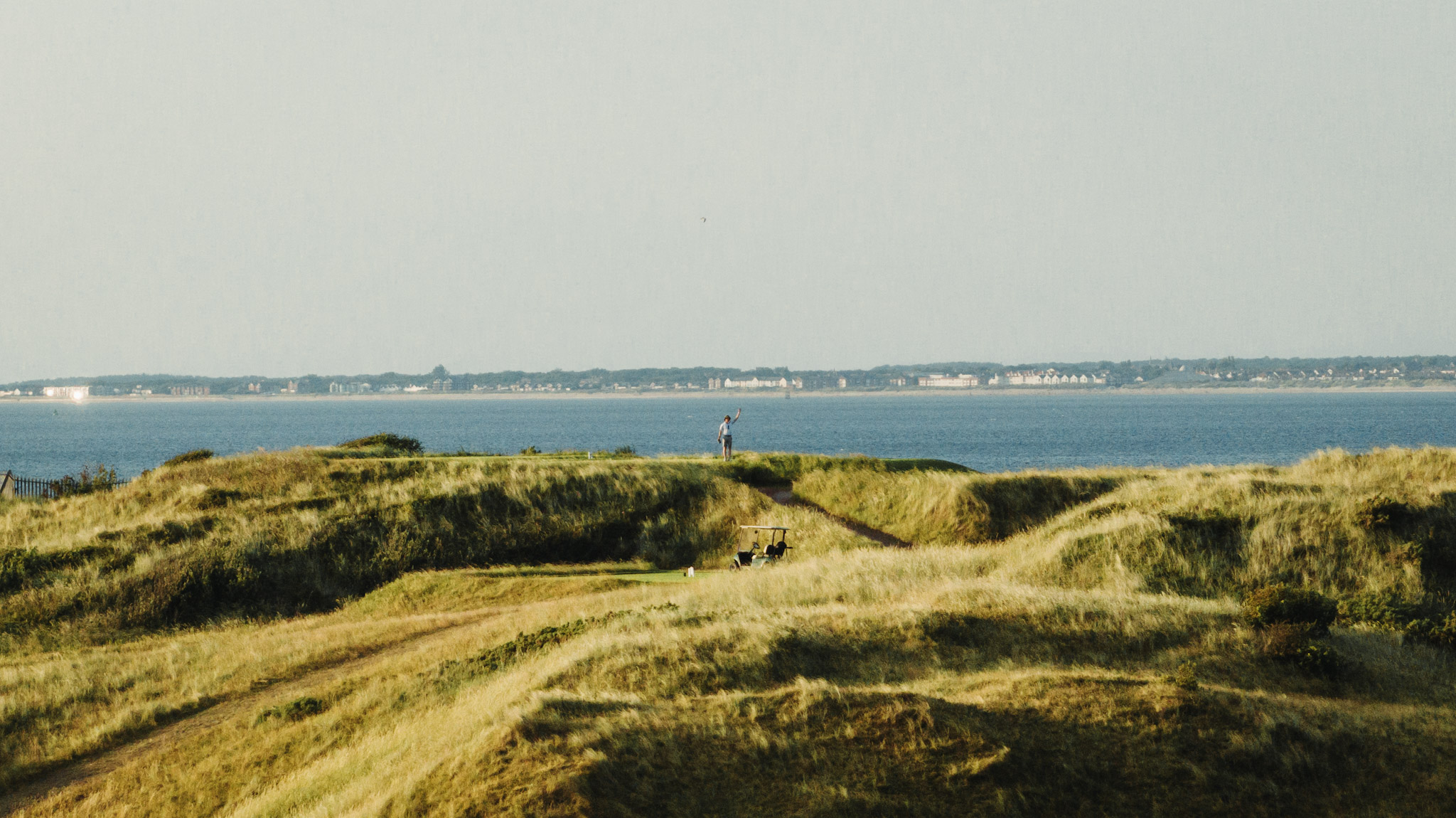
“You’re only here for a short visit. Don’t hurry, don’t worry and be sure to smell the flowers along the way.”
Walter Hagen